Emerging Innovations in Biology & Oncology
Discover the Technologies Transforming Cancer Research
From single-cell sequencing and spatial biology to artificial intelligence and computational oncology, emerging technologies are transforming how scientists study cells, tissues, and cancer. These innovations reveal cellular diversity, uncover molecular interactions, and help researchers understand how biological systems function in health and disease.
Explore the latest methods, scientific discoveries, and technological advances shaping modern biology, cancer research, and precision medicine. Discover how integrating molecular data, spatial information, and AI-driven analysis is opening new possibilities for understanding disease mechanisms, identifying potential therapeutic targets, and advancing biomedical research.
Single-Cell Biology
Understand what makes each cell unique.
Single-cell RNA sequencing (scRNA-seq) enables scientists to examine gene expression in individual cells, revealing differences that may remain hidden in bulk tissue analysis. By identifying distinct cell populations, cellular states, and gene activity patterns, this technology helps researchers explore tissue complexity, understand cancer development, and investigate how cells respond to disease and treatment. These insights support the discovery of potential biomarkers and new directions in precision medicine.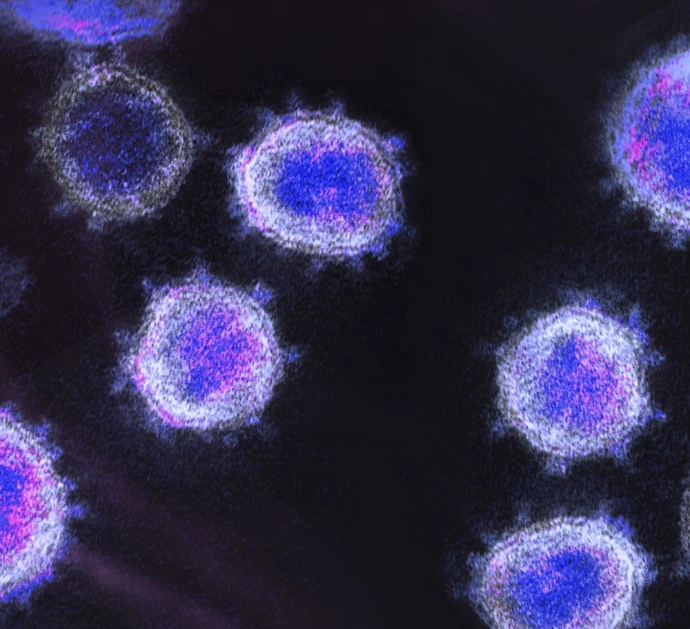
2. Spatial Biology
Understanding which cells are present in a tissue is only part of the story. Their location and interactions can also influence biological function.
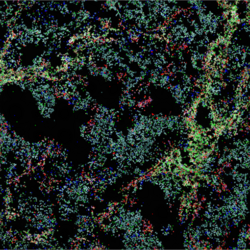
Spatial transcriptomics measures gene expression while preserving information about where molecular signals occur within tissue sections. Spatial proteomics and related technologies can add information about protein expression, tissue architecture, and cellular interactions.
From Scientific Discovery to Research Collaboration
Scientific progress increasingly depends on collaboration between researchers working in biology, medicine, engineering, and data science. Advances in single-cell sequencing, spatial biology, genomics, cancer research, and biotechnology are generating new discoveries while introducing complex analytical challenges. Scientific conferences, symposiums, and specialized workshops provide essential opportunities to present research findings, exchange technical knowledge, compare experimental and computational methods, and discuss emerging trends with experts from different fields.
SCConf supports the scientific event ecosystem by helping researchers, students, academics, and biotechnology professionals discover opportunities to participate in scientific conferences and research-focused events. With an emphasis on conference registration and event support, the platform connects scientific communities with events covering cancer biology, oncology, single-cell analysis, spatial omics, genomics, molecular biology, and biotechnology. These events can help participants explore new technologies, learn about innovative research methods, present their work, expand their professional networks, and identify potential research collaborations.
By bringing attention to scientific events and opportunities for knowledge exchange, SCConf contributes to a more connected research community. Whether participants are exploring advances in precision medicine, learning about AI-driven biological analysis, or presenting findings in cancer research, scientific events offer a valuable environment for discussing discoveries, addressing research challenges, and exploring future directions in biomedical science.